Interview with Oriol Gomis Bellmunt on Power Electronics Integration
February 24, 2026
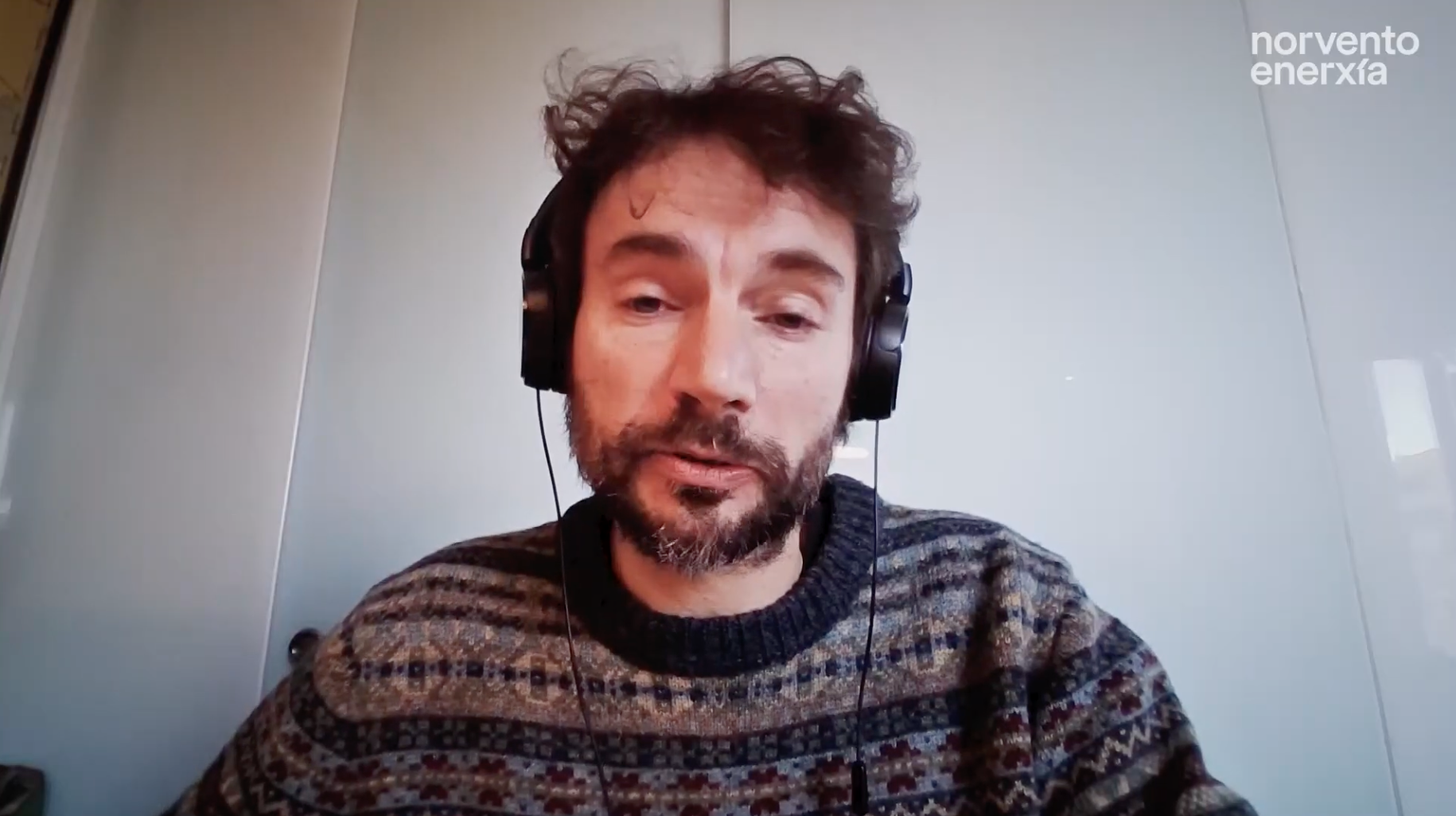
As power electronics continues to spread across generation, transmission, distribution, storage, and demand, the technical conversation is shifting. The question is no longer just how to integrate converter-based assets into the grid. It is how to operate a power system where converters increasingly define how the grid behaves.
In a recent interview with Norvento TECHnPower, our cofounder Oriol Gomis Bellmunt shared his perspective on what that shift means for grid stability, protection, control, and planning.
One of the clearest takeaways is that the fundamentals still matter. Voltage and frequency remain the core variables that must be kept within secure operating limits. Stability and protection are still central. What is changing is the way units connect to the network, and with that, the types of interactions engineers need to understand and validate.
A second point is that converter-based systems should not only be seen as a source of new challenges. If they are properly designed and validated, they can actively support the grid. Converter controls can contribute to voltage and frequency regulation, help damp oscillations, and provide fast and flexible responses that are increasingly valuable in renewable-heavy systems.
The interview also highlights why grid forming is receiving so much attention. In traditional systems, synchronous machines established the voltage and frequency reference for the rest of the network. As inverter-based generation takes a larger share, more assets may need to contribute to that system-forming role. That is where grid forming becomes an important part of the discussion, not as a trend, but as a practical requirement in low-inertia systems.
Another major theme is protection. Converter-based resources typically limit fault current much more tightly than synchronous machines. That changes the assumptions behind many traditional protection approaches. It also creates a stronger need for coordination between converter control design and protection engineering, especially during fault ride-through and unbalanced fault conditions.
Oriol also points to the broader role of flexibility in future grids. Storage will matter, but not only for energy shifting and arbitrage. It can also support frequency, voltage, oscillation damping, and system restoration. Demand-side flexibility may play an equally important role, especially as the system becomes more dynamic and more dependent on controllable resources outside conventional generation.
The interview also touches on HVDC, hybrid AC/DC grids, and the growing need for simulation methods that can capture both large network behavior and converter-level dynamics. As systems become more complex, the tools and methods used to study them must evolve as well.
The main message is a constructive one. A power system with very high penetration of power electronics is technically feasible. But getting there requires more than hardware. It requires control design, validation, interoperability, updated protection practices, appropriate simulation methods, and regulation that moves fast enough to translate technical capability into real deployment.
Watch the full interview here: BLOG 2026 - Estabilidad y convertidores - Entrevista a Oriol Gomis-Bellmunt