A New Milestone in VeraGrid's Road to CGMES Integration
March 13, 2026
CGMES, the Common Grid Model Exchange Standard, sits at the center of model exchange in the European power sector. Built on CIM and used across TSOs, vendors, and software tools, it supports the exchange of grid models for planning, operations, and regional studies.
Anyone who has worked with CGMES knows that a standardized format is only part of the story. A CGMES dataset usually arrives split across several profiles, each describing a different layer of the network and its operating state. Turning that exchange package into a clean and usable analytical model remains a demanding part of many workflows.
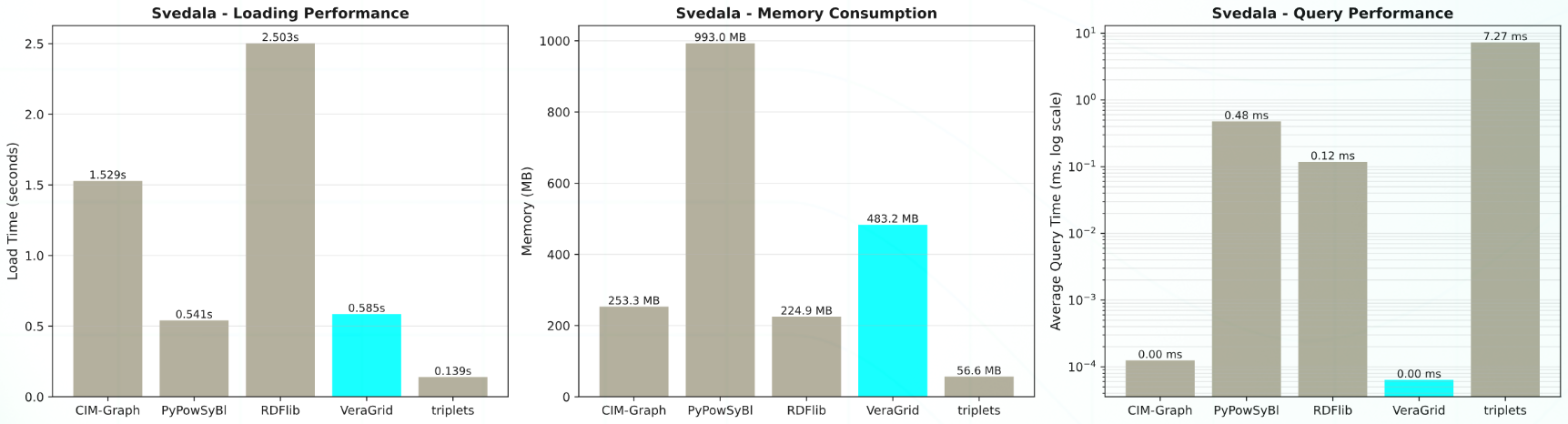
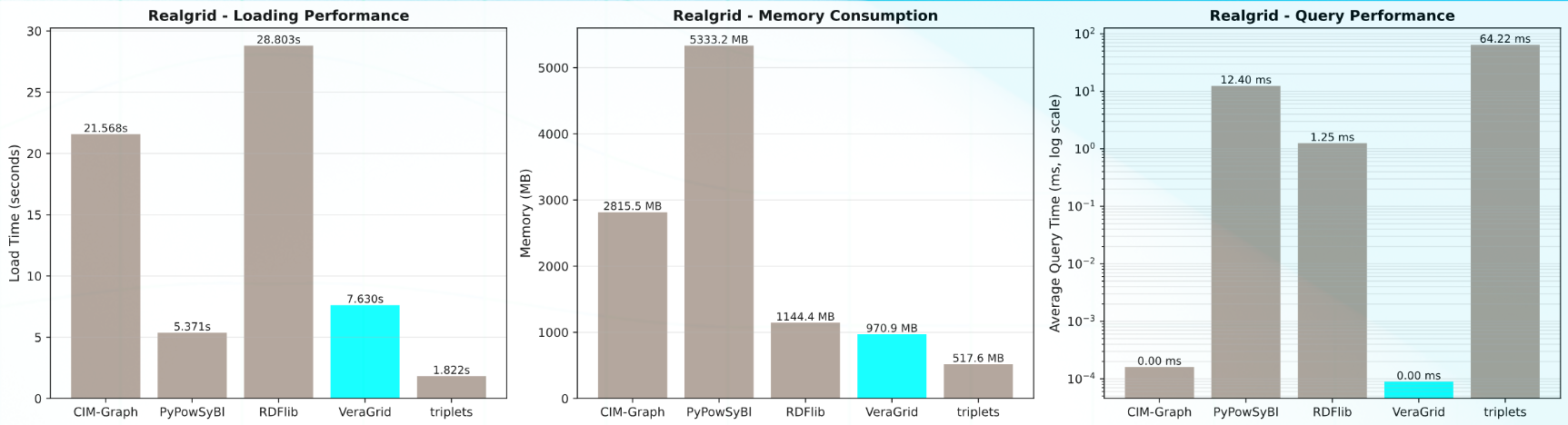
This is why CGMES performance has become such a visible topic in the community. Recent public benchmark work has made one thing especially clear: there is no single best tool for every workload. Some tools are optimized for loading speed. Some are lighter in memory. Some are especially strong once the model has already been ingested and needs to be queried repeatedly. The results are shaped by tradeoffs in design, not by one universal definition of performance.
That context has been useful for us as we continue improving VeraGrid's CGMES reading and parsing. The latest milestone is a 2x performance boost in this part of the workflow.
Importing for study-ready use
Just as important as the speedup itself is the design choice behind it. VeraGrid is built around a deliberate tradeoff: spend more effort upfront during import, then make the data fast and ready for use afterward. In practice, VeraGrid reads the XML, assimilates the CGMES objects into the corresponding classes from the standard, performs indexing and conformity checks, and builds a CGMES circuit that can then be converted into VeraGrid's internal structures.
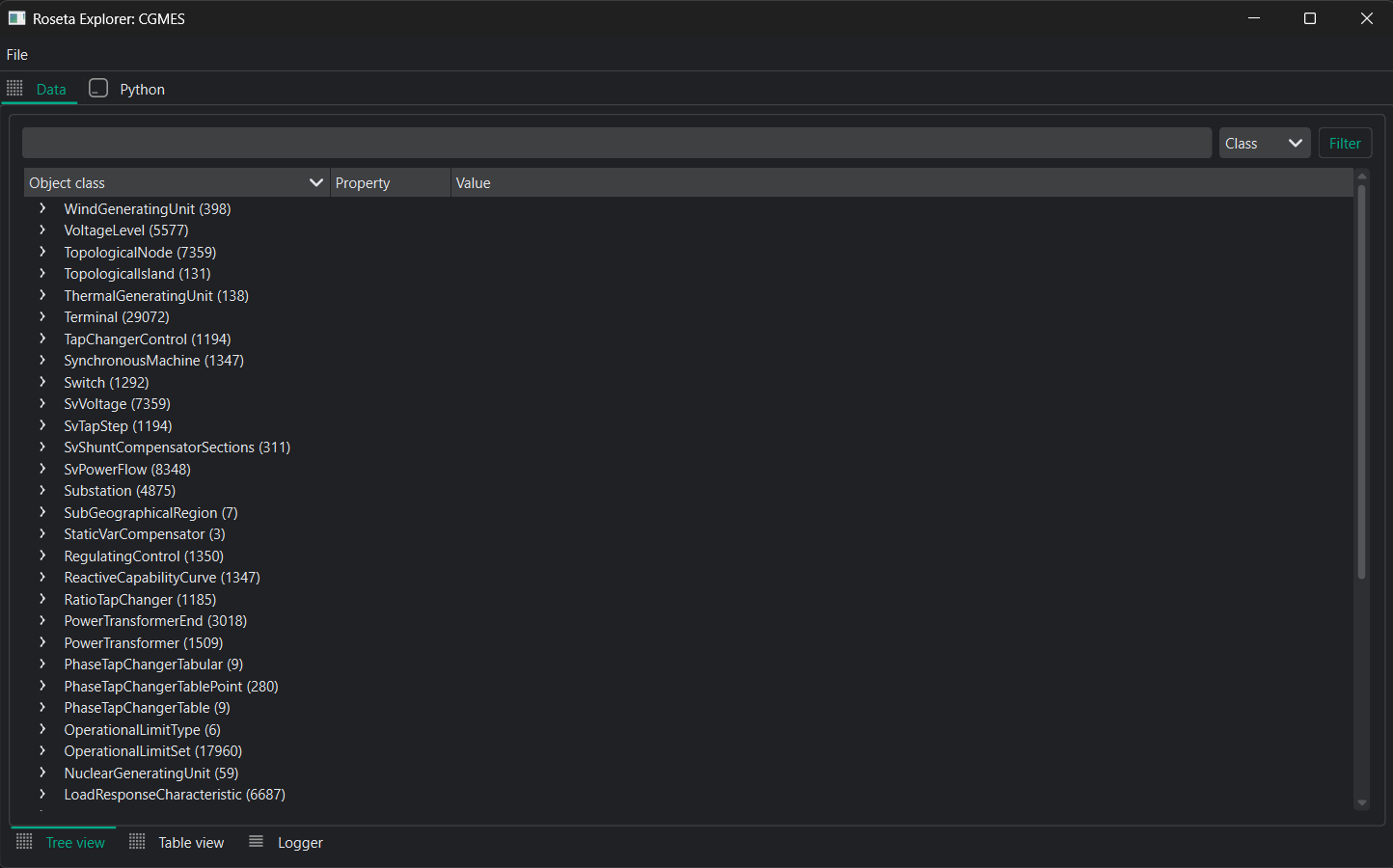
This means VeraGrid is not only focused on ingesting the format effectively. The objective is to turn imported CGMES datasets into models that are immediately usable in the same environment for the studies engineers actually need to run. That includes power flow, contingency analysis, short-circuit studies, dynamics, planning studies, and broader research workflows.
This tradeoff helps explain why benchmarking results can look mixed depending on what is being measured. A lighter parser may load faster. Another tool may use less memory. VeraGrid places more work in the import stage so that the model is already structured for fast access, internal consistency, and downstream analysis once it is loaded. In other words, part of the cost is paid upfront so the model is study-ready afterward.
For us, this is the key point. The value of CGMES does not stop at successful import. It starts when an exchanged model can move quickly into actual engineering work, with the structure, traceability, and usability needed for planning and analysis. That transition from exchange format to computation-ready model is where a great deal of hidden effort often sits.
Building toward stronger CGMES integration
The CGMES ecosystem also continues to evolve. That makes robust implementation especially important. Users need workflows that can keep pace with that evolution while remaining practical for day-to-day studies.
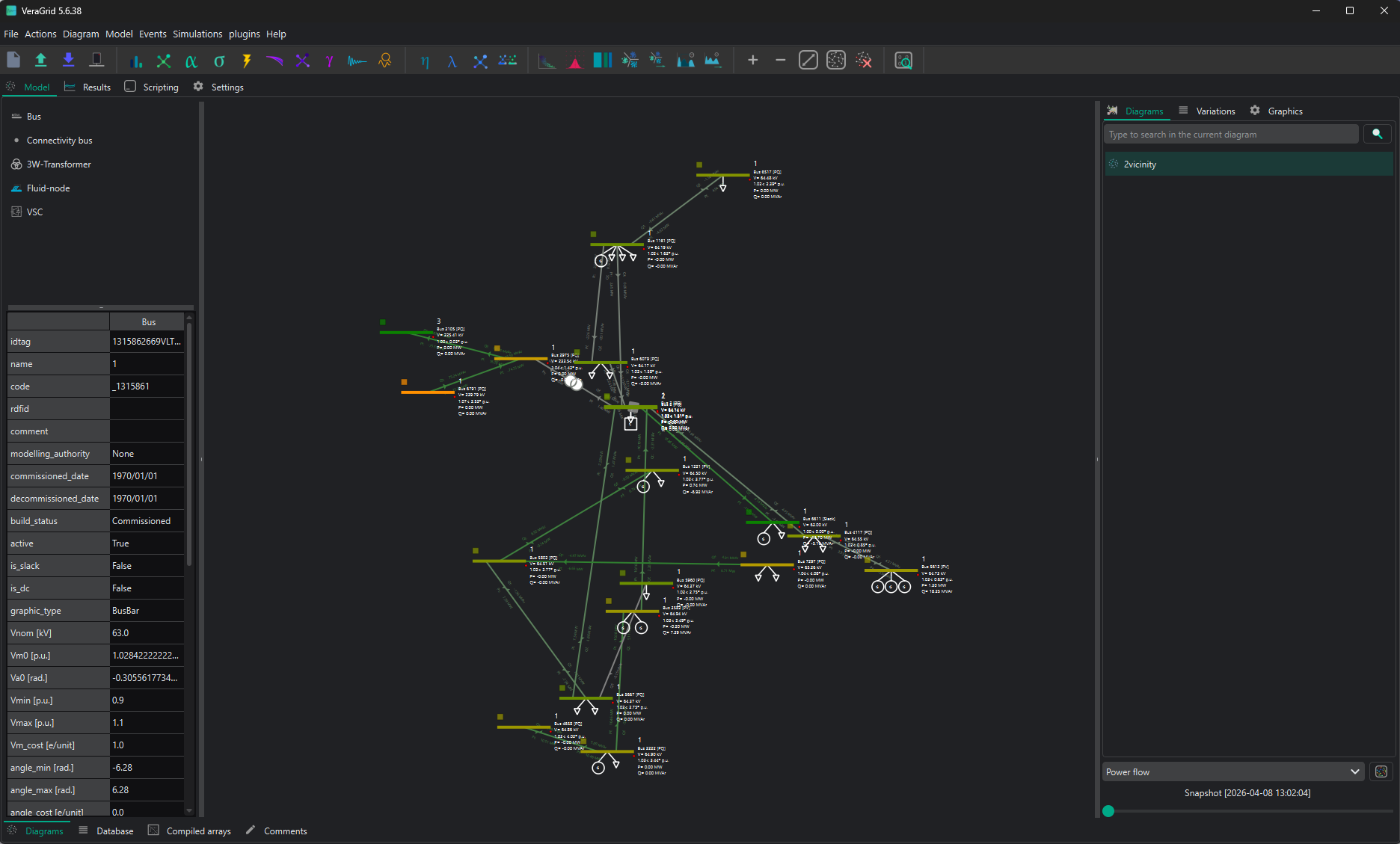
This milestone is one more step in VeraGrid's broader path toward stronger CGMES integration. The goal is clear: make standardized European grid data immediately usable for analysis, planning, and research, and make sure the same environment that reads the model can also run the studies that matter.
Try with your CGMES networks, and let us know about your experience.